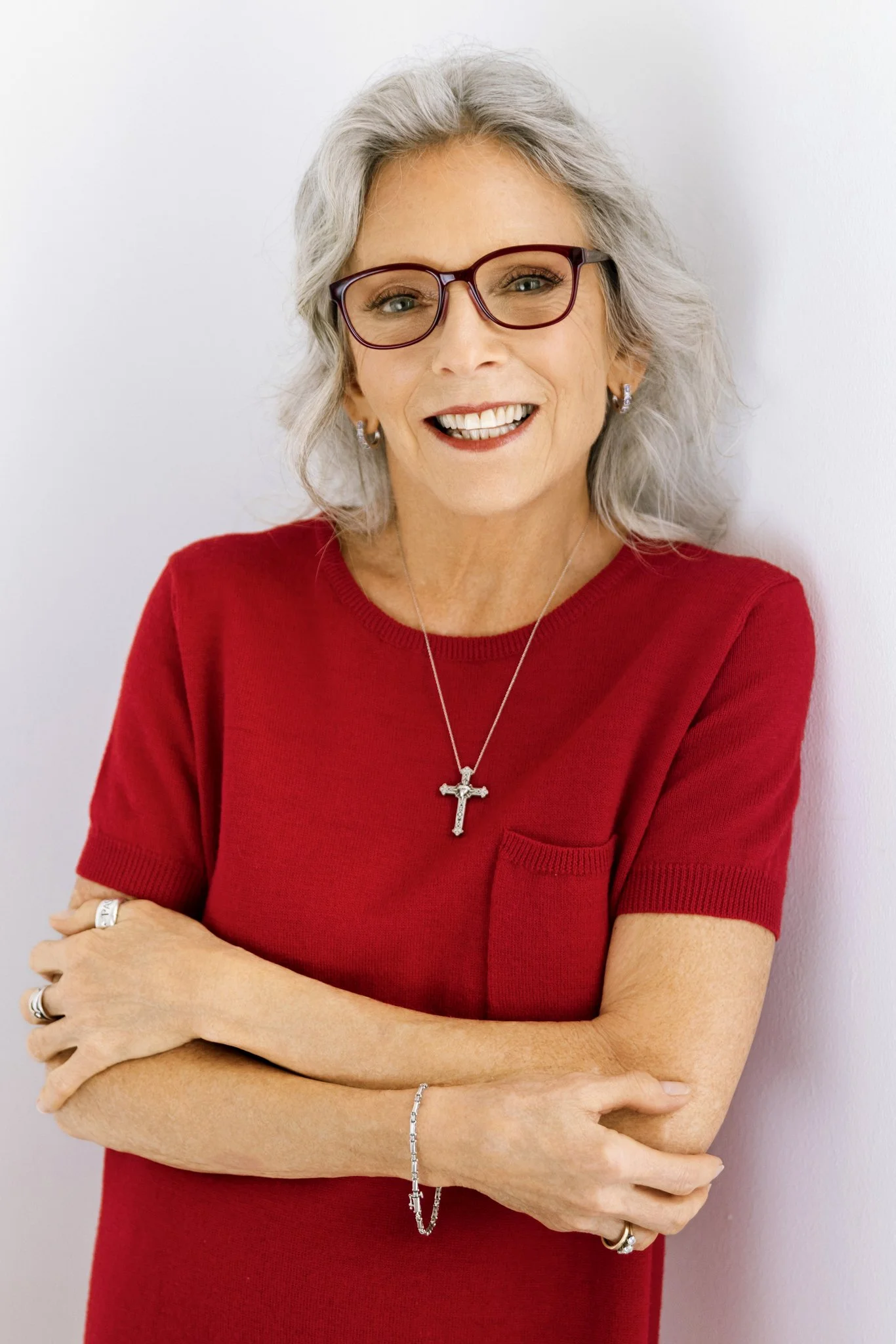
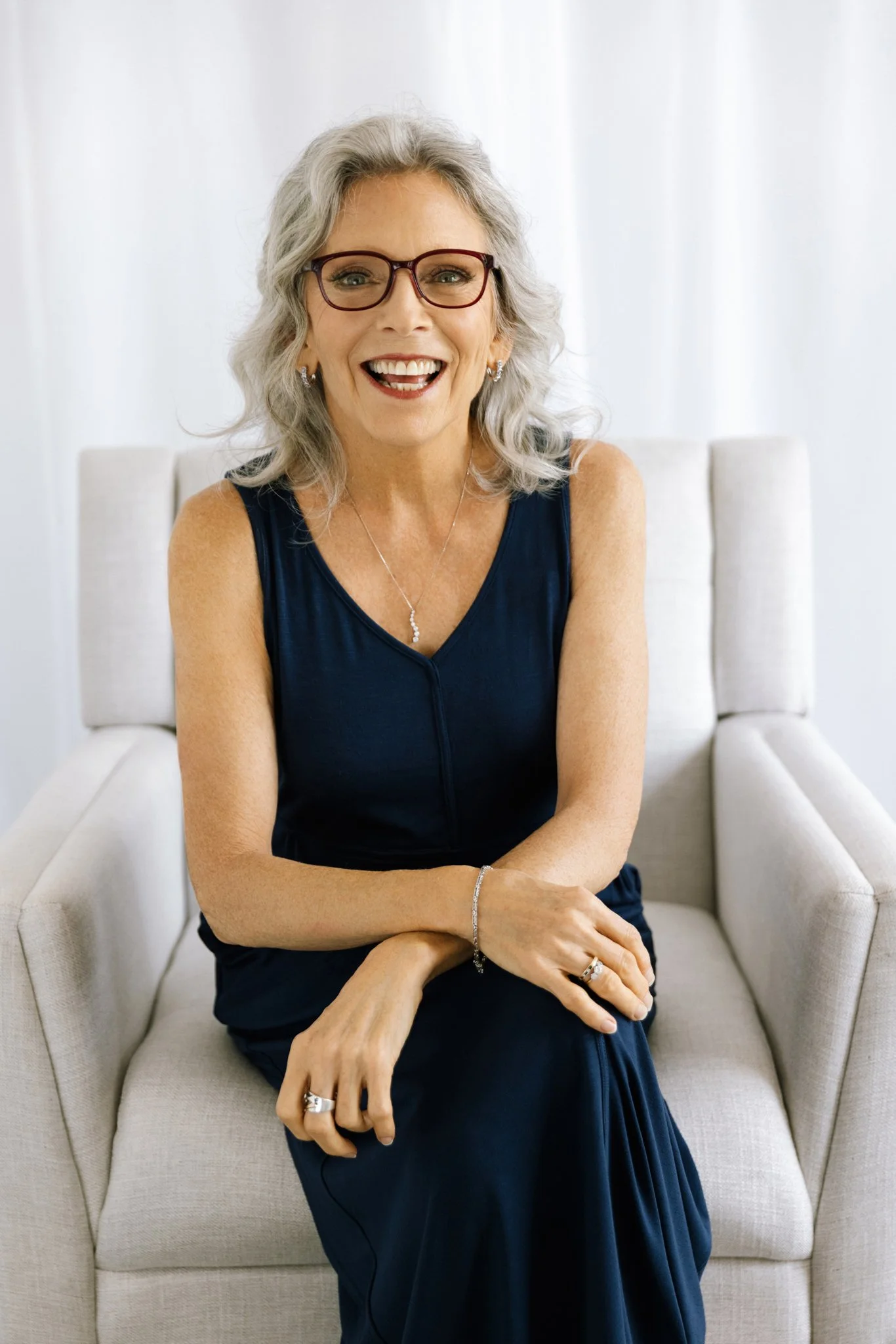
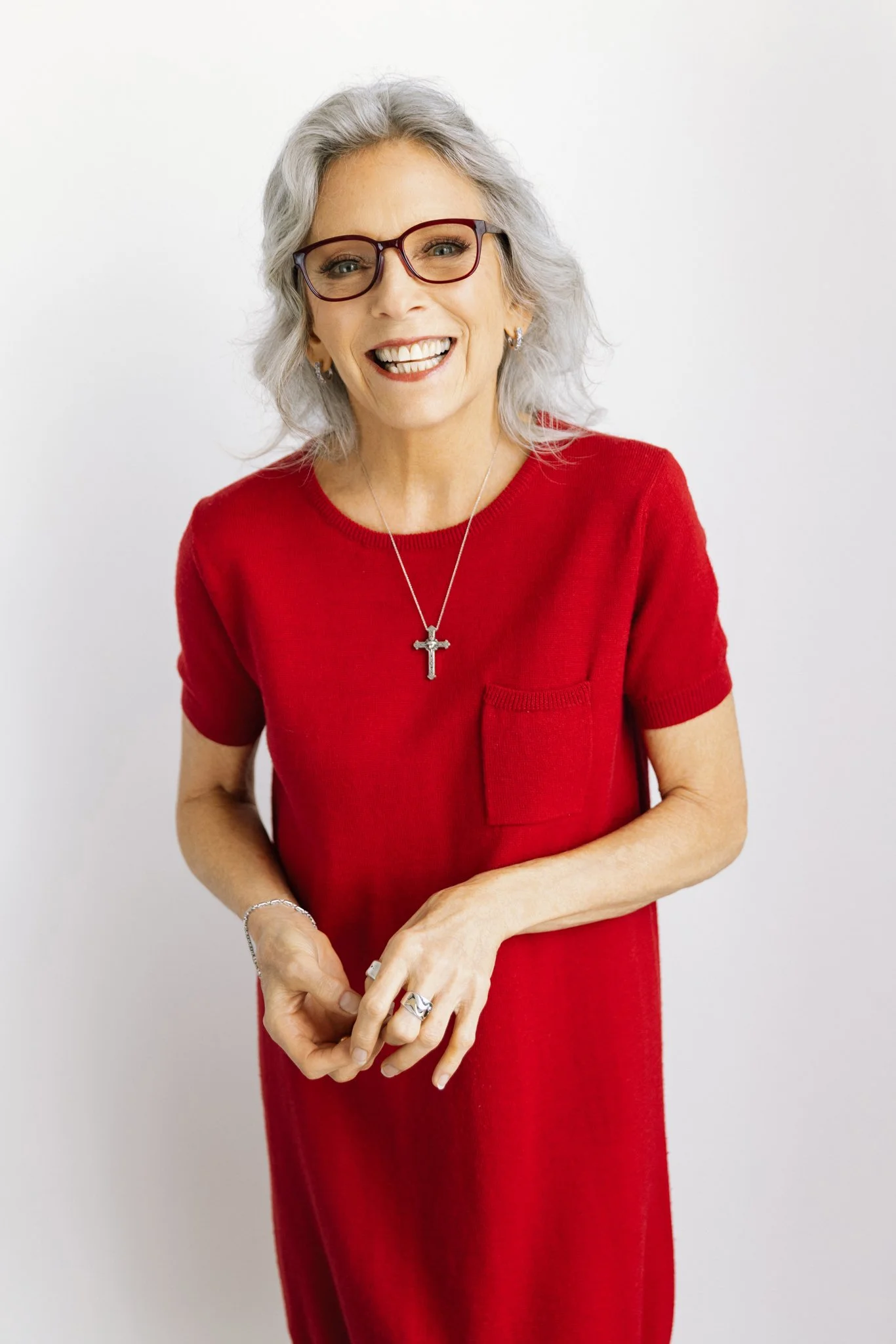
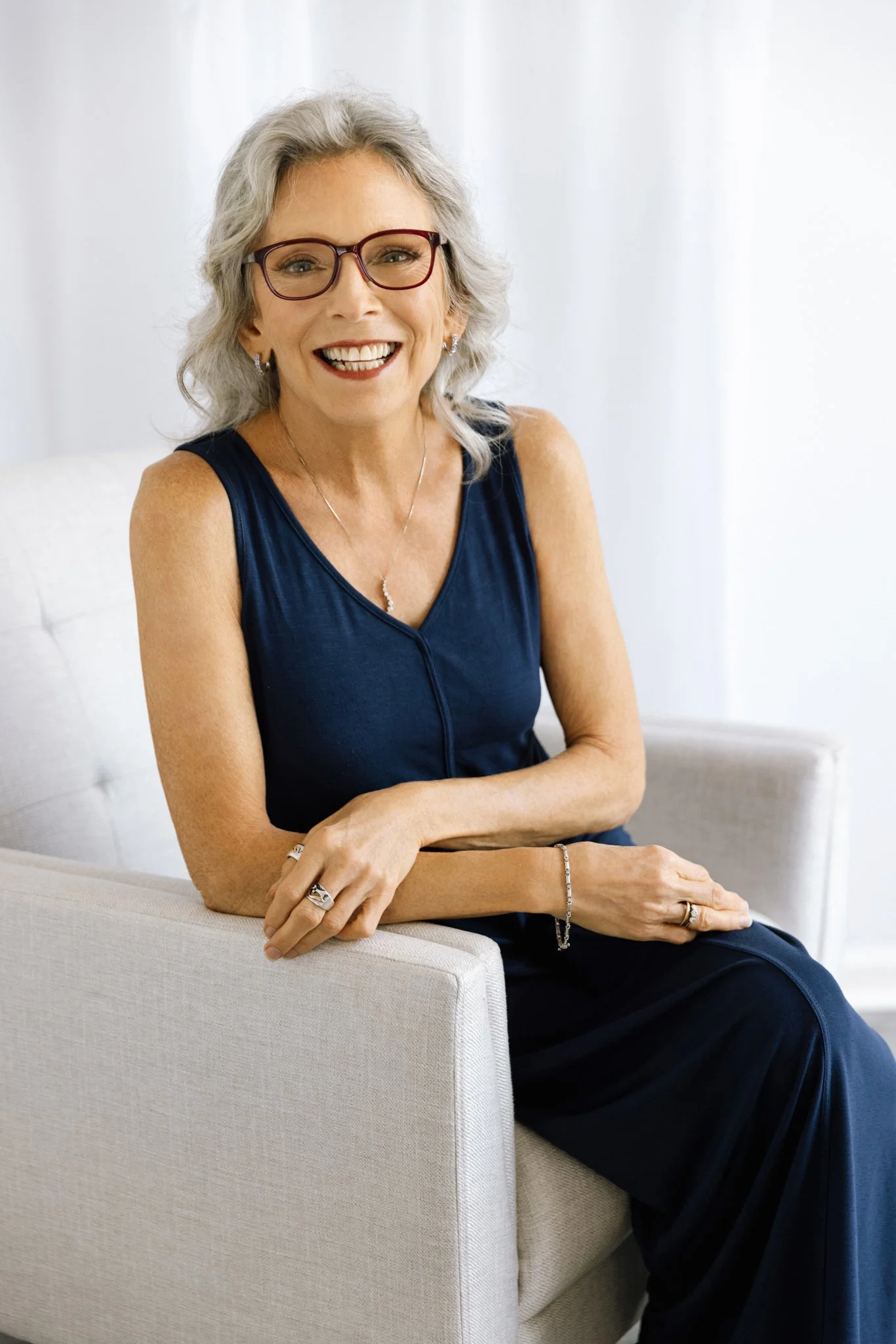
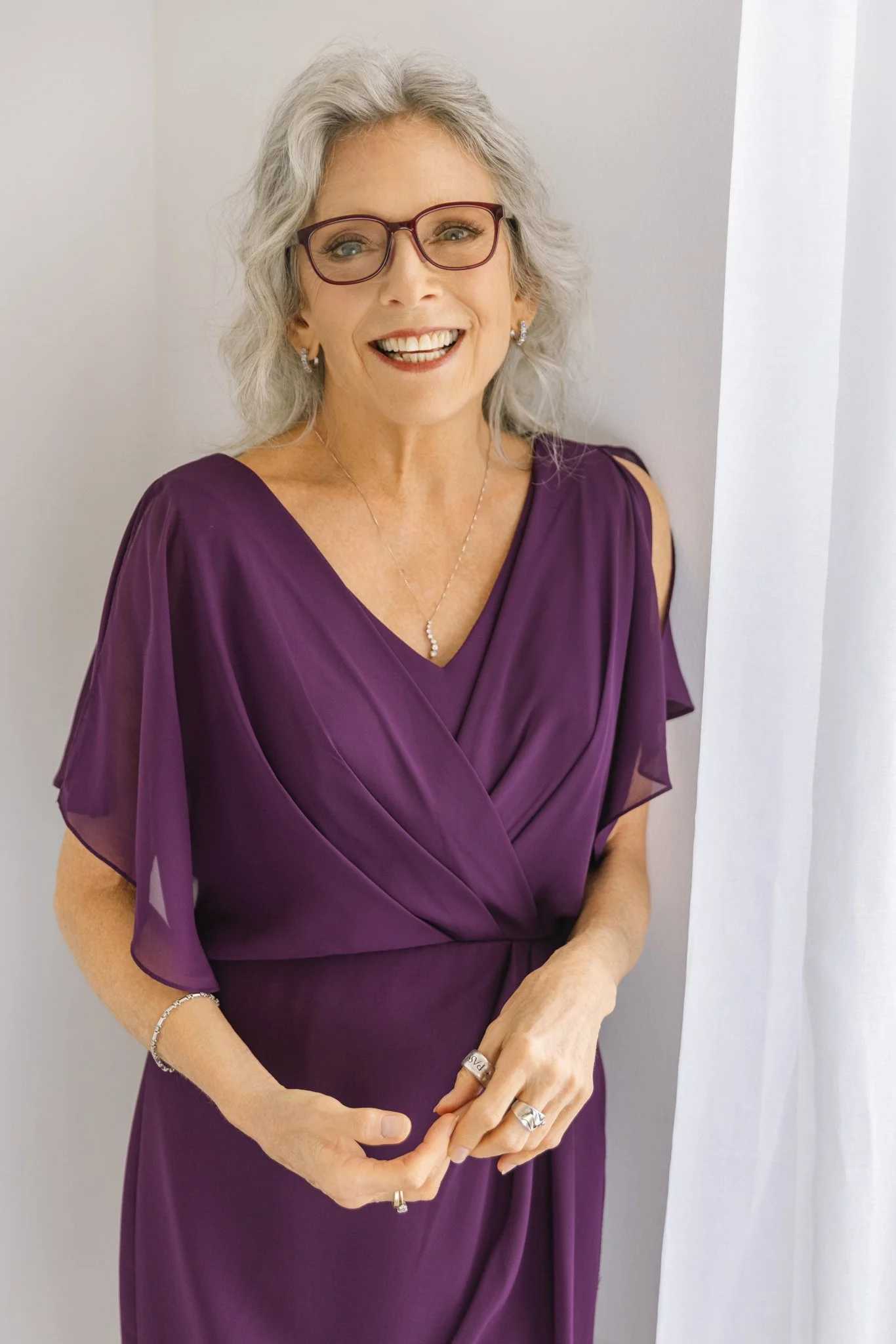
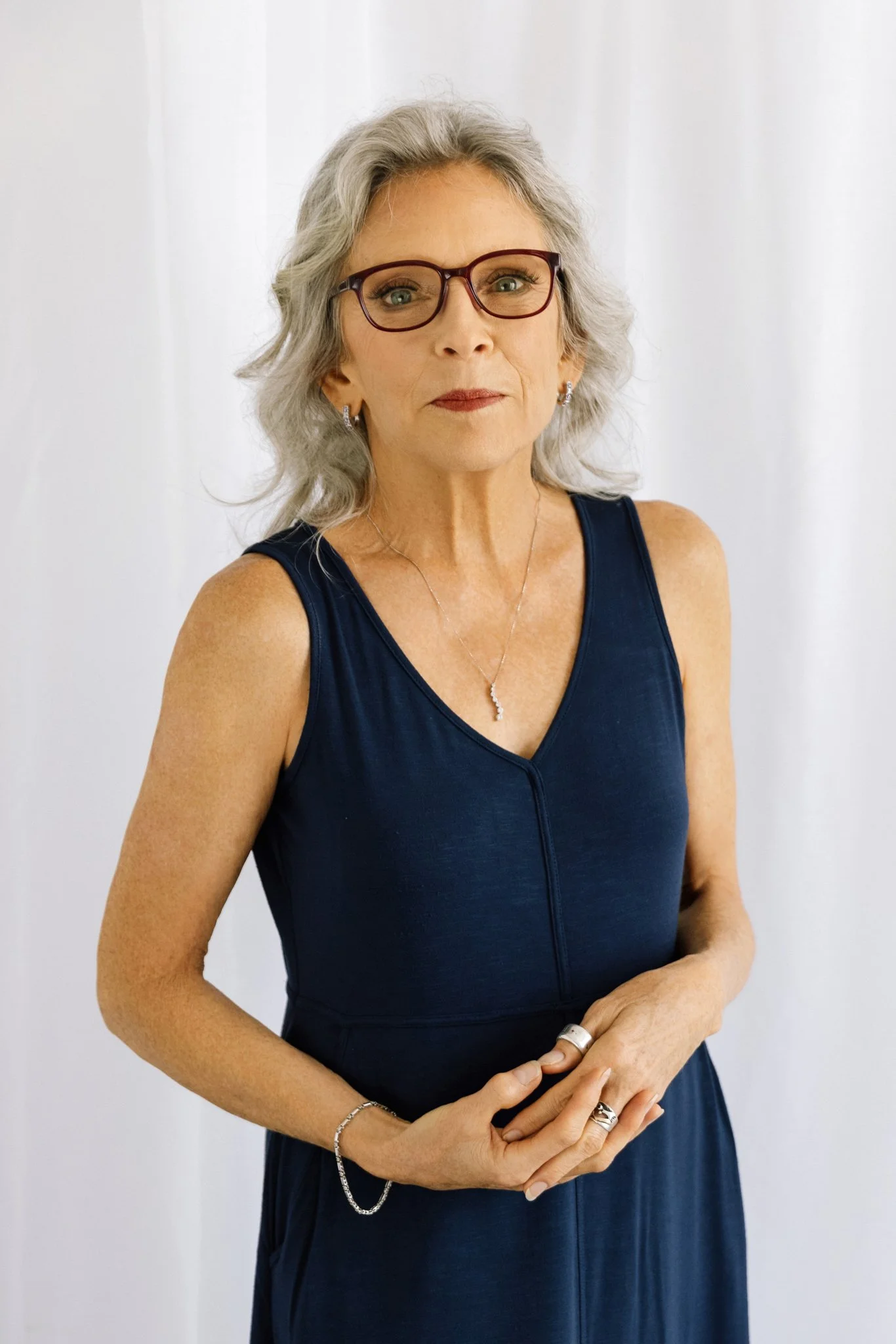
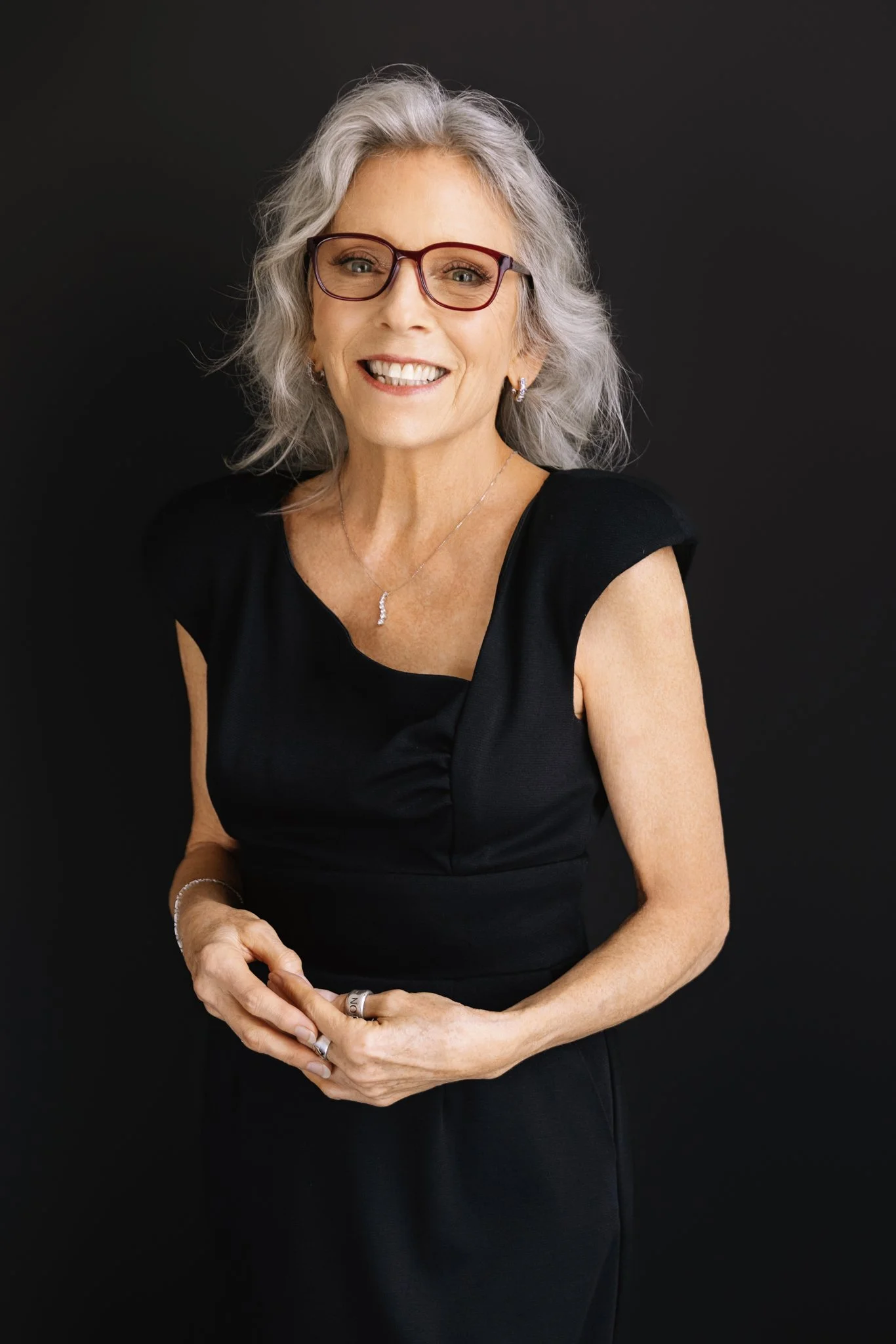
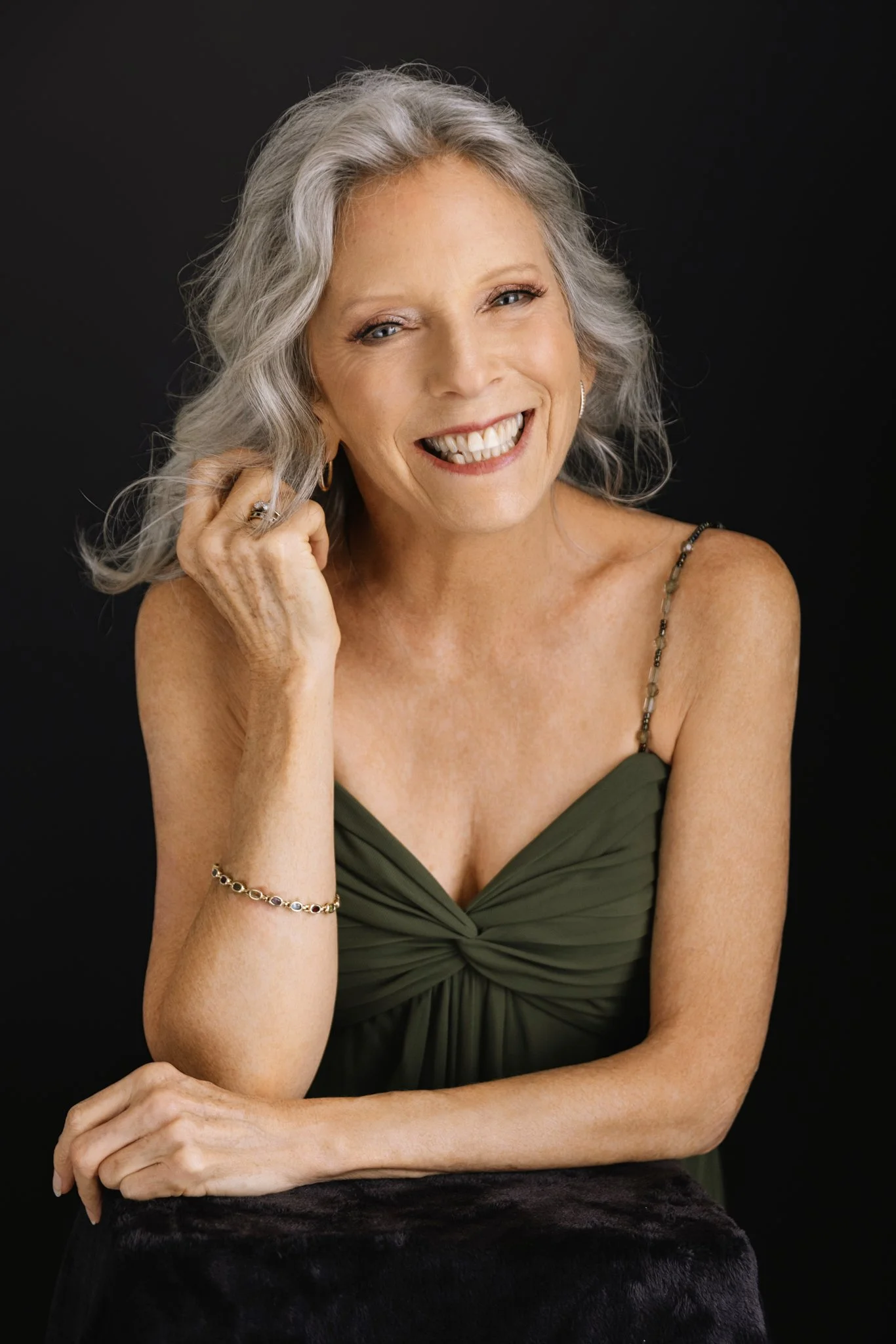
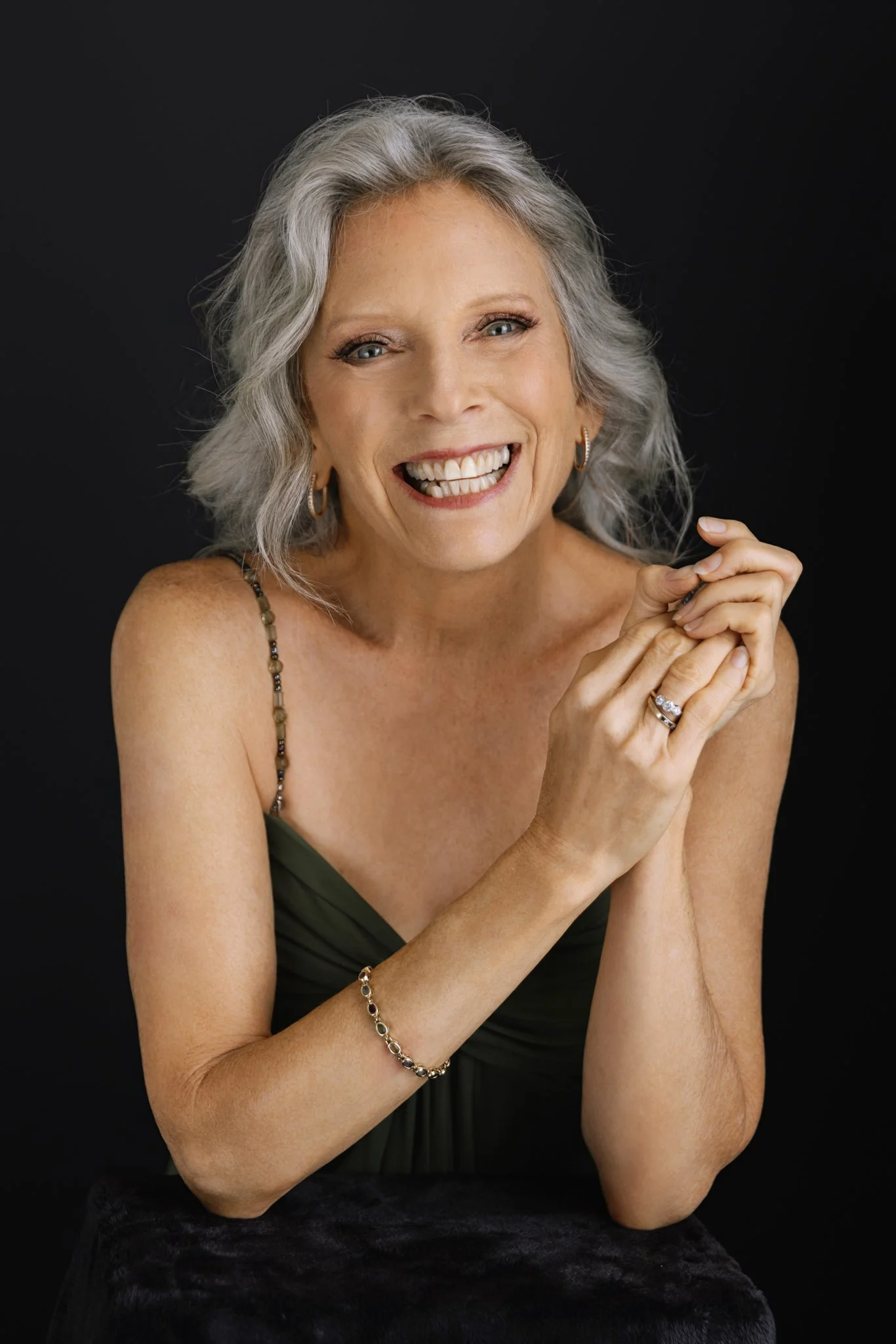
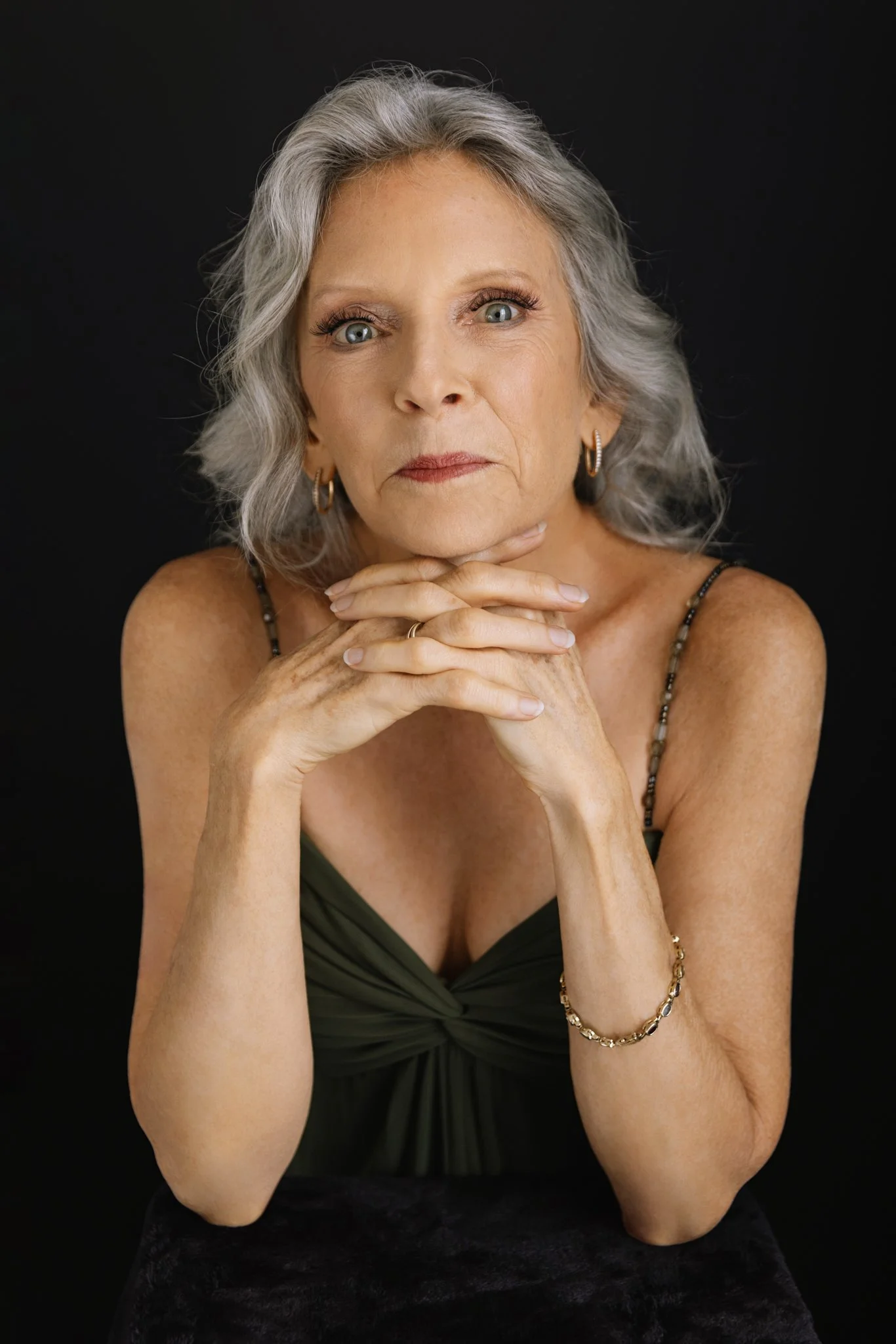
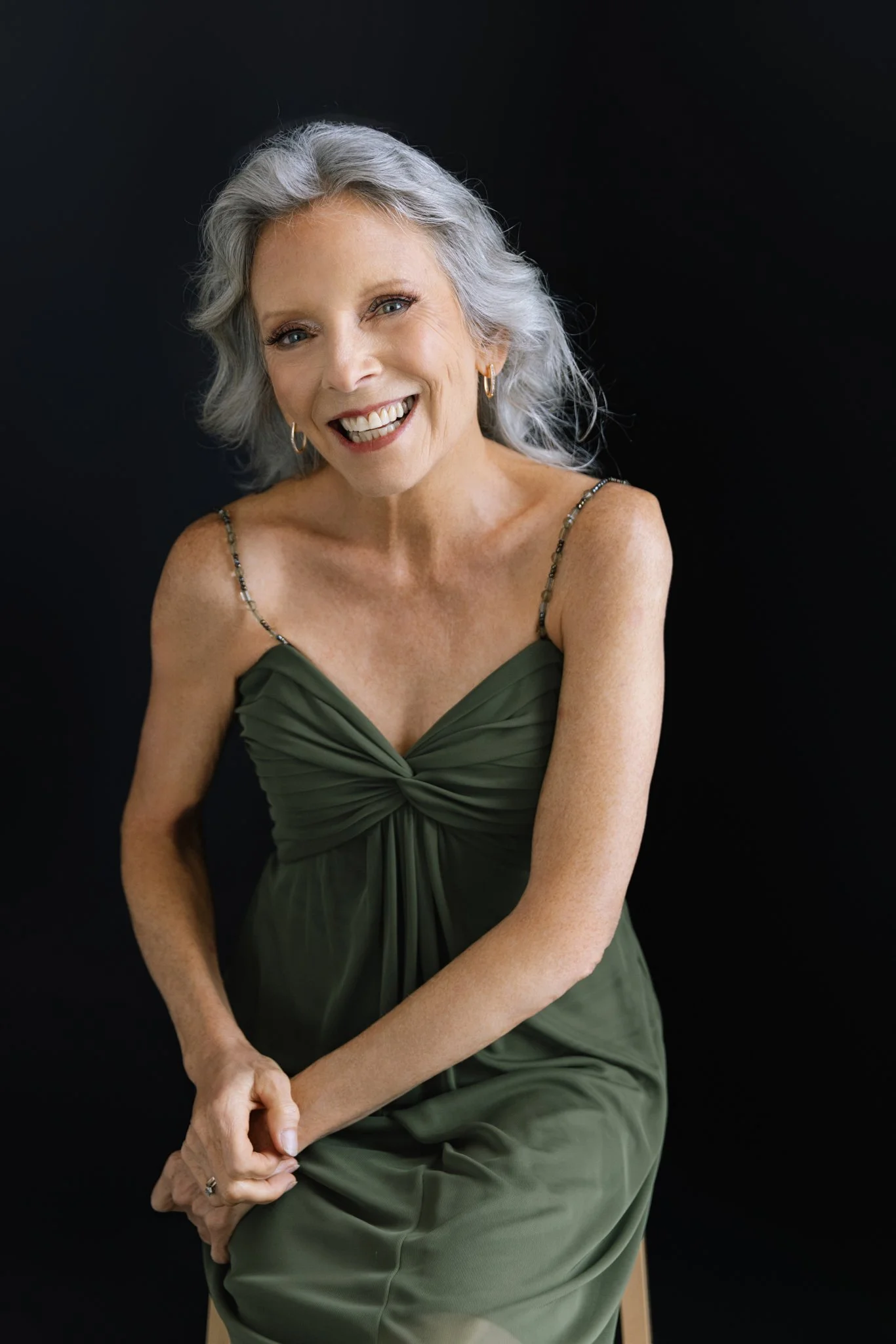
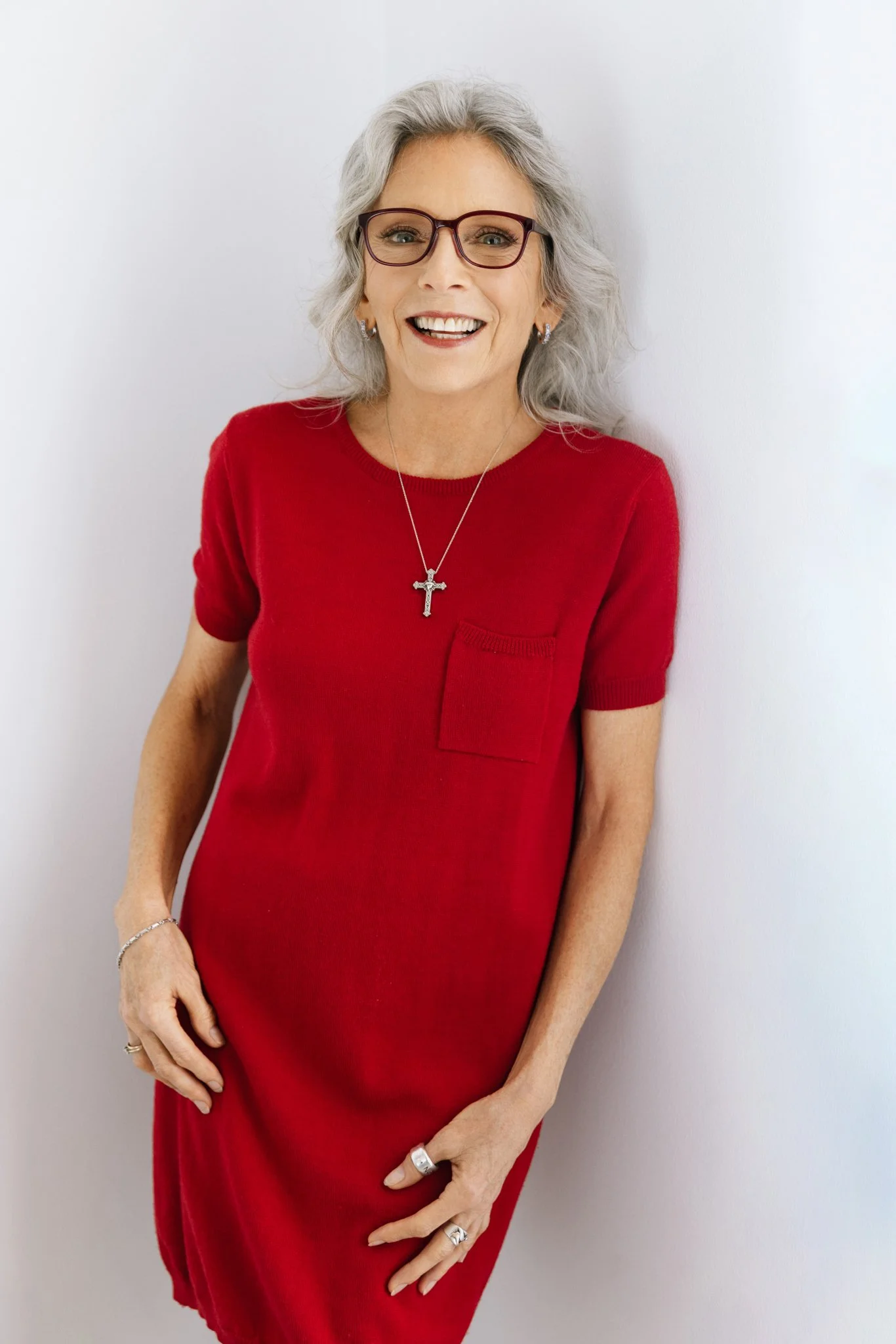
Lisa Evers - Trust What You Know
For much of her life, Lisa Evers trusted evidence.
She was a science person. A nurse. A Coast Guard veteran. Someone trained to observe, analyze, assess and make decisions based on what could be seen and measured.
But underneath all of that was another kind of knowing. A quieter one. And at 65, Lisa has learned not to dismiss it anymore.
"Always trust your gut."
It's the lesson she most wants other women to hear. Especially women who have spent years second-guessing themselves, explaining away their discomfort or being told that what they're sensing is too emotional, too subjective or simply wrong.
Lisa understands that tendency because she lived it. As a child, she grew up knowing something wasn't quite right in her home. Her father, a Vietnam veteran whom she loved deeply, struggled with alcohol. When he came home and fell asleep in his chair with a beer beside him, the explanation was that Dad was simply tired. But even as a little girl, Lisa knew there was more to the story.
"My gut knew that wasn't the whole story."
She didn't have the language for it then. What she did have was a question. And over the years, questions would become an important part of Lisa's life. Not questions asked for the sake of challenging everything around her—but questions born from paying attention when something didn't quite fit. That instinct followed her into a remarkable career.
Lisa graduated at the top of her high school class and was accepted to Notre Dame with plans to study biochemical engineering. Concerned about the financial burden on her family, she chose another path instead and enlisted in the United States Coast Guard. She trained as a hospital corpsman, beginning what would become a lifelong connection to healthcare.
Marriage and motherhood followed. Lisa transitioned into the Coast Guard Reserves, went to nursing school when her daughter was young and eventually built a career that included labor and delivery, emergency nursing, addiction medicine and nursing education.
At the same time, she continued serving in the Coast Guard, ultimately retiring as a warrant officer after 32 years of active-duty and reserve service. On paper, it looks like a career built on achievement. To Lisa, however, the more meaningful story is what she began noticing along the way. Working in emergency medicine exposed her to people in pain—physical pain, certainly, but also the complicated suffering that doesn't always fit neatly onto a chart. And once again, that familiar feeling began to surface. Something didn't sit right.
Lisa became increasingly interested not simply in how much pain a person was experiencing, but in what their discomfort might be trying to communicate. Instead of beginning with "How bad does it hurt?" she began wondering whether another question might be more helpful:
How comfortable do you feel right now—and what might help you feel better?
That question eventually grew into what she calls Comfort Quest, an approach she has spent years developing and refining. Rather than making the absence of pain the ultimate goal, Lisa became interested in something broader: helping people think about what it means to flourish even when life—or the body—is uncomfortable. Because discomfort, she believes, isn't always something to immediately silence. Sometimes it's information. Sometimes it's an invitation to pay attention. And sometimes the most useful question isn't "How do I make this feeling disappear?" It's "What is this trying to tell me?" Lisa wanted to understand that idea more deeply, so she went back to school.
In her 50s, she earned a master's degree in Health Arts and Sciences from Goddard College, where she studied and tested the ideas behind Comfort Quest. Still, something felt incomplete. Her work was addressing the body and the mind, but Lisa believed there was another dimension that mattered deeply to her own understanding of wholeness: spirit. So she went back to school again.
From 2021 to 2024, Lisa studied theology at Franciscan University, earning a second master's degree and bringing another layer to the work she had already spent years developing. There is something wonderfully revealing about that progression. Lisa didn't arrive at this stage of life believing she finally had everything figured out. She kept asking questions. Kept learning. Kept allowing her understanding to deepen.
"When we stop learning, we've basically stopped living," she says.
Her advice? Be childlike enough to remain curious. Read. Listen. Consider another perspective. Notice when something resonates—and when it doesn't. And don't assume that because you've reached a certain age, there is nothing left to discover.
Perhaps that's part of what Lisa appreciates most about being 65. The pressure to prove herself is fading. She no longer wakes to an alarm every morning or feels compelled to measure her life primarily by productivity. She is less interested in climbing another ladder. More interested in sharing what she's learned.
"I think enough is what keeps coming forward in my mind these days," she says. "Enough. How much is enough?"
There was a time when achievement mattered more. Now Lisa thinks much more about value, purpose and peace. She's also stopped worrying quite so much about whether everyone approves.
"I honestly don't care what people think about me anymore."
Not because she wants permission to be unkind or dismissive. Quite the opposite. Lisa wants to live authentically enough that popularity, likes and outside validation don't determine what she says or contributes. If she shares something, she wants it to be because she believes it may genuinely help someone. That shift—from proving to offering—may be one of the quiet gifts of this season of her life.
She's protective of her peace now, too. Not the kind of peace that requires everything around her to be perfect. Lisa knows life doesn't work that way. Instead, she's interested in cultivating an inner steadiness that doesn't have to disappear every time the outside world becomes unsettled. That includes making peace with the past. Feeling what needs to be felt. Forgiving what can be forgiven. And releasing what no longer needs to be carried.
It's especially meaningful as Lisa considers one of her greatest hopes for the future: strengthening the connections within her own family. After all the degrees, careers, projects and professional accomplishments, her dream isn't another credential. It's connection.
"After all of the quests in life, it does come back to family."
She doesn't believe she needs to fix everyone or solve generations of history. She simply wants to do what she can, with love, to clear a little space for people to find one another again.
Lisa is also working toward finishing a book that brings together many of the ideas she has spent the last decade exploring. And she's learning something else as it unfolds: Some things take longer than we think they should. That's okay. For women in particular, Lisa thinks there can be enormous pressure to push, accomplish and finish—to believe that if something hasn't happened quickly enough, perhaps we've failed.
She sees it differently now. Some ideas need longer to develop. Some seasons aren't meant to be rushed. Sometimes we're not being pushed. We're being led.
And at 65, Lisa is becoming increasingly comfortable allowing life to unfold that way. Less striving. More listening. Less concern about who approves. More confidence in what feels true. More willingness to ask the question that has followed her since childhood:
Something doesn't feel quite right. What do I need to understand?
Because perhaps wisdom isn't having all the answers. Perhaps it's finally trusting yourself enough to ask the questions.
Are you a woman over 50? We’d love to invite you to join the 50 Over 50 Project! Together we can change the narrative on aging - showing the unique beauty, wisdom and power that can only be attained by living life! CLICK HERE for more information and to join the ProAge movement!
 Kim Bomberger | Jacksonville FL | Portrait Photographer
I help women rediscover their confidence and embrace their beauty through empowering portrait sessions. Every session is more than just a photoshoot—it’s a transformative experience that allows women to see themselves in a new light. I’m deeply inspired by the incredible women I have the privilege to meet and photograph, and I cherish the genuine connections we create along the way.